
 01
Diagnosis
Soil, water, management, economics and priorities of each supplier farm, with lab tests and chromatography.
True Regenerative · supply chain transition
Brands · retailers · industry · funds · sponsorsYour farmers want to regenerate their soil, but change costs money and their margins cannot carry it. Your company can fund the transition and agree what work and field data will be documented.
Farmers want to rely less on external inputs and bring their soil back to life. But diagnosis, design, implementation, training and measurement cost money and time, and farm margins are very tight. The answer is not for farmers to pay more. It is for those who buy their produce —brands, retailers, industry, funds or sponsors— to fund the transition.
01Soil, water, management, economics and priorities of each supplier farm, with lab tests and chromatography.
 02
A plan with each farmer: which techniques, in what order, with which local resources and on what budget.
 03
Water and keyline, cover crops, bio-inputs or a biofactory, animals where they fit: whatever each farm needs, done with its team.
 04
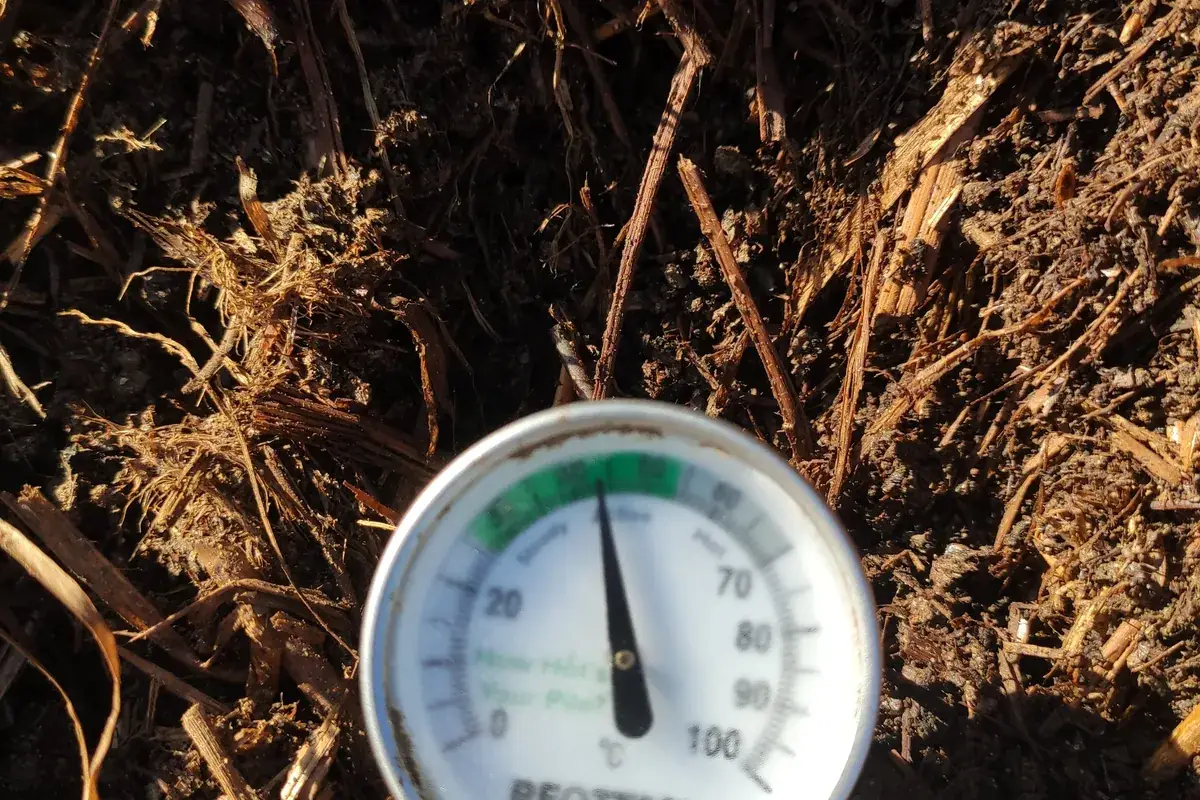
The team learns to run it on its own. Agreed soil and field indicators as back-up, with no certification or credit promises.
You tell us which raw materials you buy and from which regions.
Together we choose a group of supplier farms and run the diagnosis.
On each farm, the four phases: diagnosis, design and planning, implementation and start-up, and training and support.
Staged support until the farm runs on its own, with field and soil data documented for your company.
We are not a certifier. First we look at the farms; then, scope and price. Programmes start in the 2027 season.
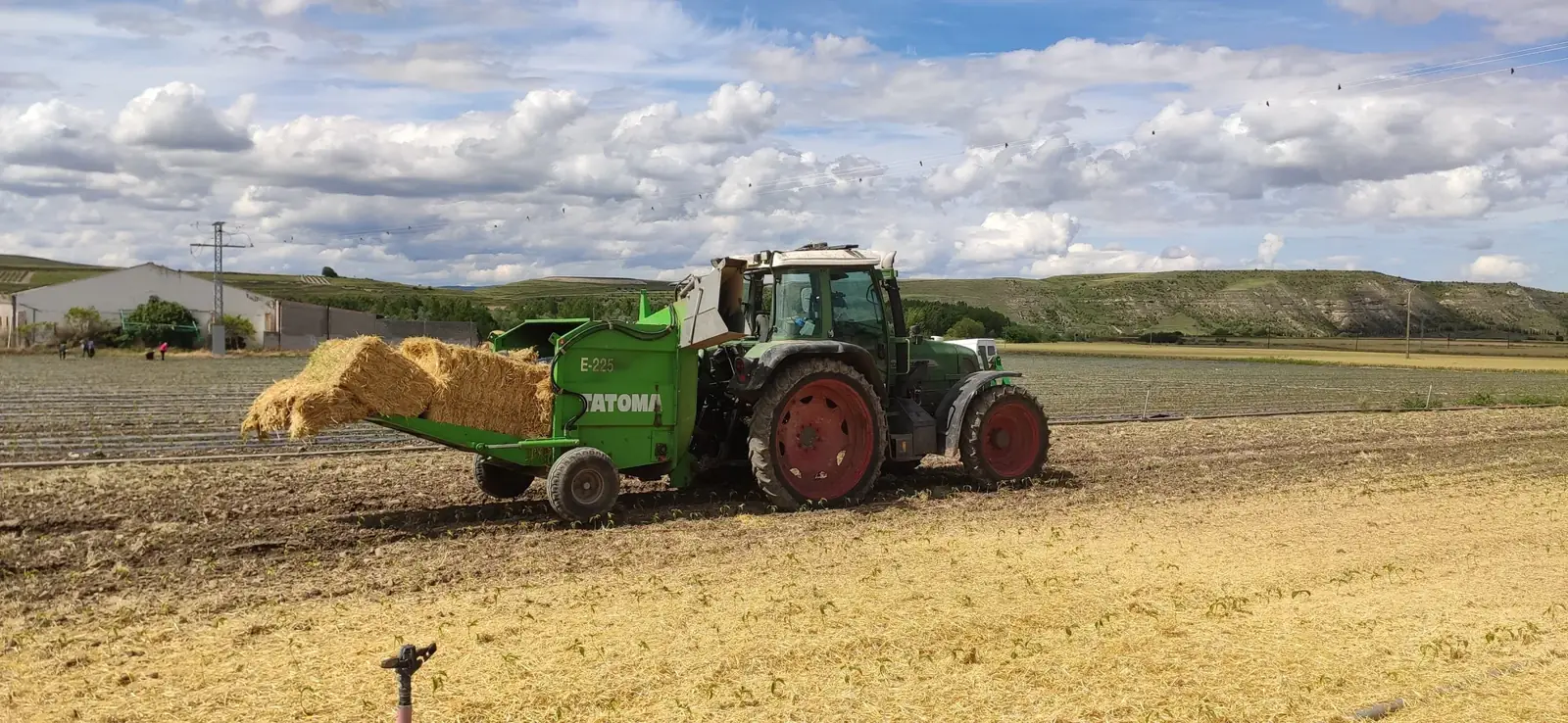
La Rioja · 2019-2020. On-farm biofertiliser lab, bokashi at about 10 t/ha and keyline on a 2.66 ha plot.
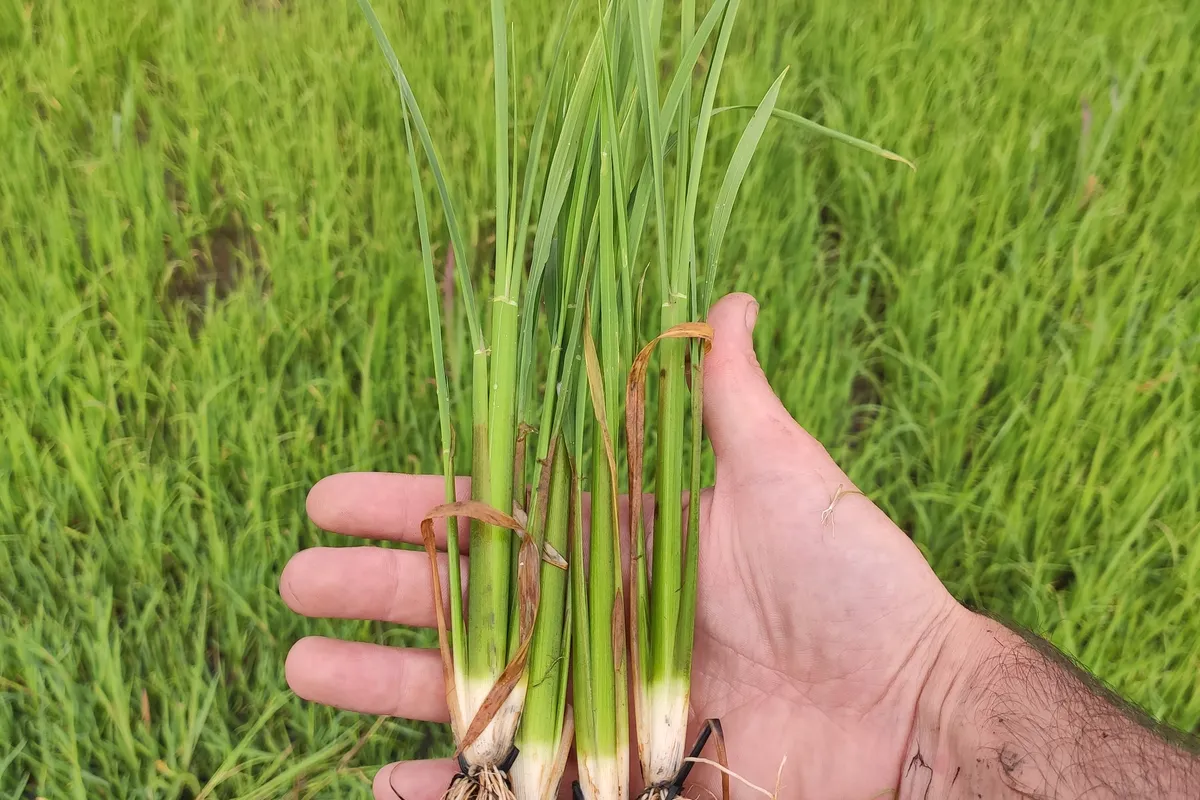
Ebro Delta · organic rice with ducks, 2022-2023. Home-made bokashi on eight farms (5 to 6.7 t/ha) and ducks grazing 1.5 ha of paddy.
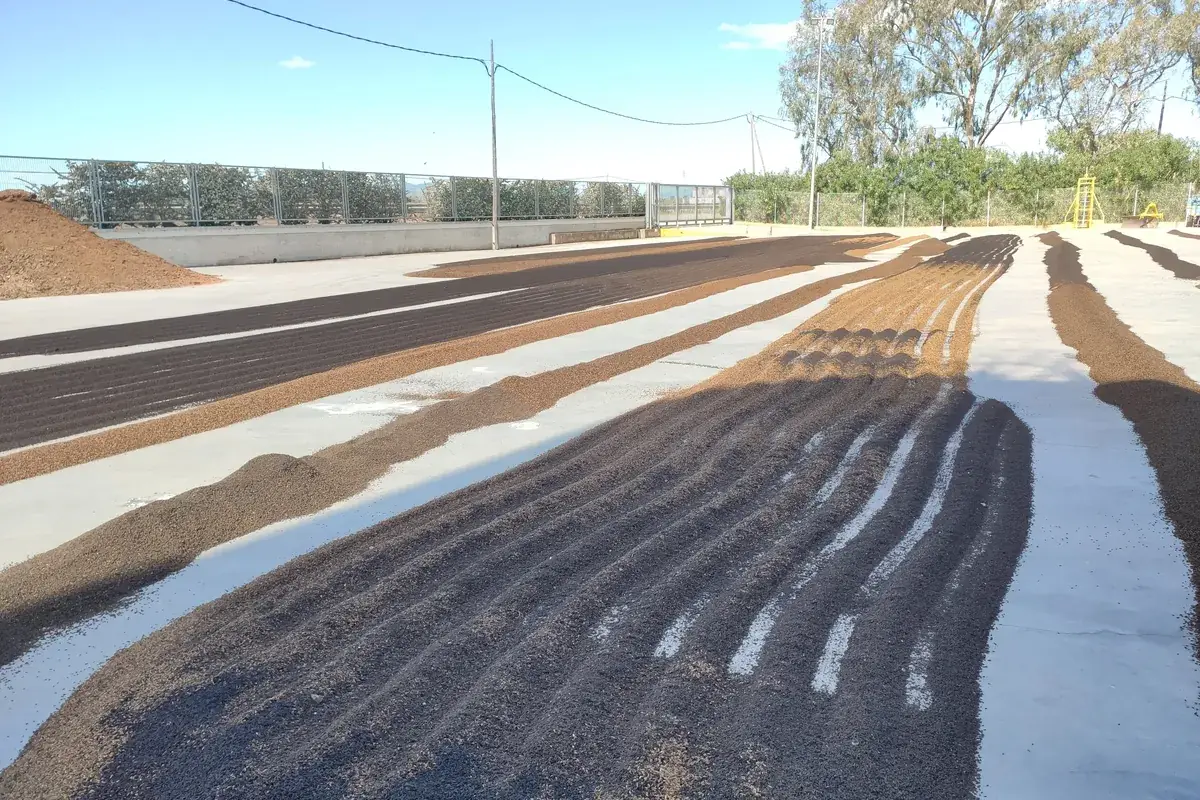
Berja (Almería) · Eco Bionatur SL makes organic biostimulants. Xavier Vélez coordinated transition and R&D there in 2021-2022, before founding True Regenerative.
Scientific co-authorship: Bracho-Villavicencio et al., with Xavier Vélez (UGI affiliation). J. Mar. Sci. Eng. 2024, 12(1), 169
You pay for months of support for a farmer in transition, until they can manage the work independently.
Your brand drives the regenerative transition of the farms that supply you.
Grants, on-farm days and materials for the future regenerative agriculture school.
Real field stories for your team and your customers, agreed with each farm.
Be the one who does it
Contact usBook a 30-minute callThe scope and price of each pilot are defined after the diagnosis.
No. The recommended approach is to start with a pilot, learn, and then extend to more farms with a proven method.
The regenerative approach adapts to market gardens, arable crops, tree crops, livestock and even aquaculture. What changes is the specific design of each farm, which comes out of the diagnosis.
The farmer, with technical support. The company funds and receives the measured information, but management decisions are made on the farm.
The farmer must own their farm's data and give permission to share it. It is a matter of trust: without it, the programme breaks.
We are not an official certifier. On topics such as carbon or regulatory reporting, we don’t claim anything that can’t be verified.