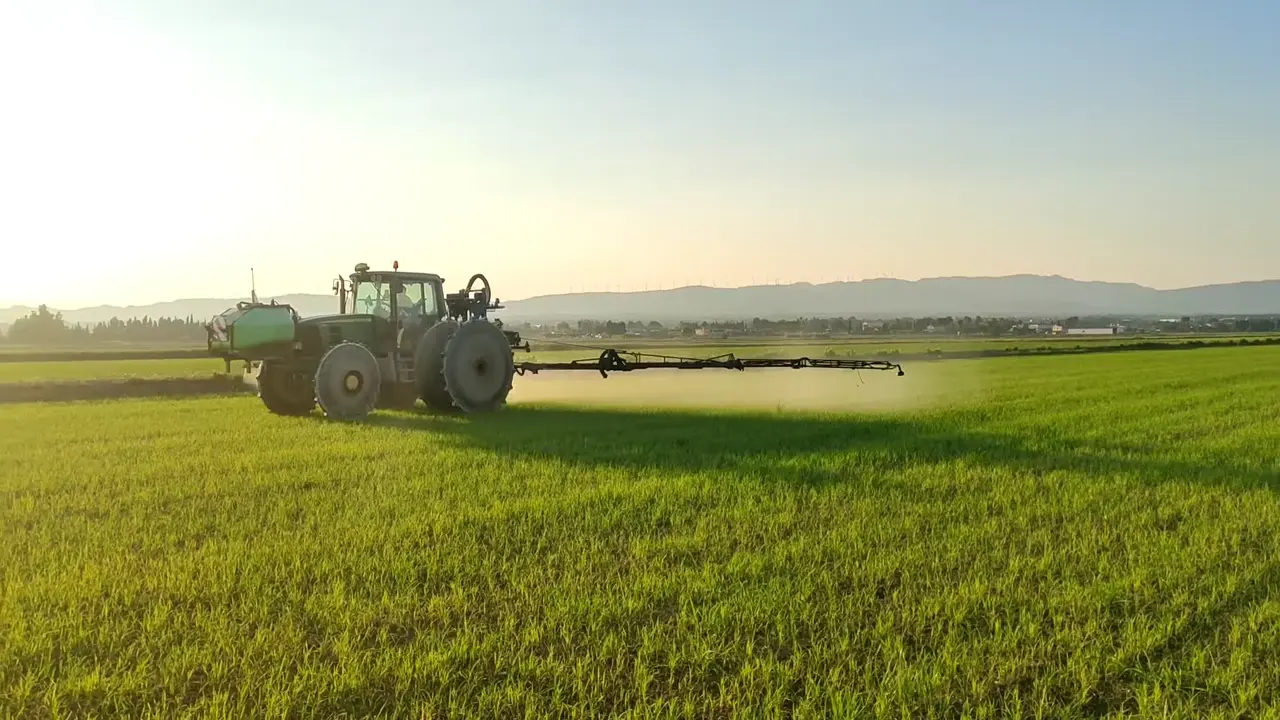
It adapts to each crop: water and soil first, then the nutrition each crop needs. The figures on this page are worldwide, with their source. Your farm’s figures come from your soil.
CropOn any cropWater and soil first; the recipe comes after. Water · Soil. The full farming framework is in Agriculture.
CropNutritionThen nutrition is tuned to each crop: cereals, rice, vegetables, fruit trees, olives, coffee, cocoa, almonds and more. We aim for a plant in proteosynthesis, turning amino acids and sugars into proteins and healthy tissue instead of leaving them free in the sap.FAO, The State of the World’s Biodiversity for Food and Agriculture, 2019. Nine plant species account for 66% of global crop production.
9 species66%
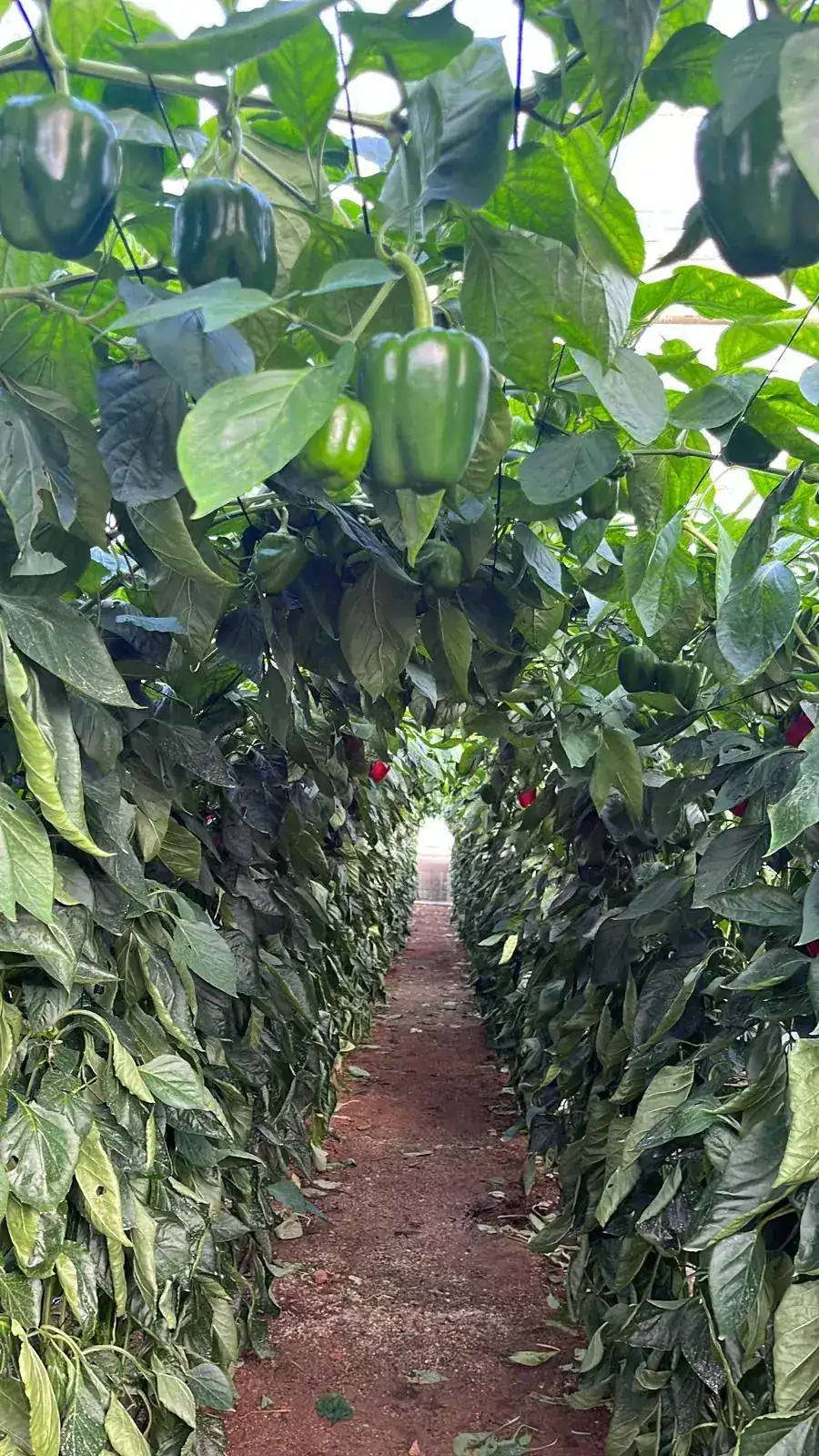
GreenhouseGreenhouse tomatoesTomato plants in a greenhouse at L’Horta de Carme. The soil in the rows gets the same care as outdoors: it is what feeds the plant. See real cases.Video: L’Horta de Carme farm, used with permission.
CropTogetherGrowing crops together widens biodiversity and avoids relying on that narrow band of species. More species side by side feed more life underground and draw in more beneficial insects and pollinators.
Vineyard
Physiological pruning in the vineyard
In collaboration with Maxime Pourveur (Architecte du Vivant). Texts and images provided by Maxime Pourveur.
Adjust every intervention to the real physiology of each vine, instead of applying a recipe.
Natural acrotony
Manage the natural acrotony of the vine as a liana.
Buds matched to vigour
Adjust the bud load to the vine’s real vigour, never for “more production”.
Living wood at 360°
Preserve living wood all around (360°) and avoid cuts into old wood.
Controlled lengthening
Accept controlled lengthening so the vine can build up reserves.
Early green pruning
Invest in early green pruning to gain time and health.
Goal More balanced vineyards, with greater climate resilience, even ripening and real longevity.
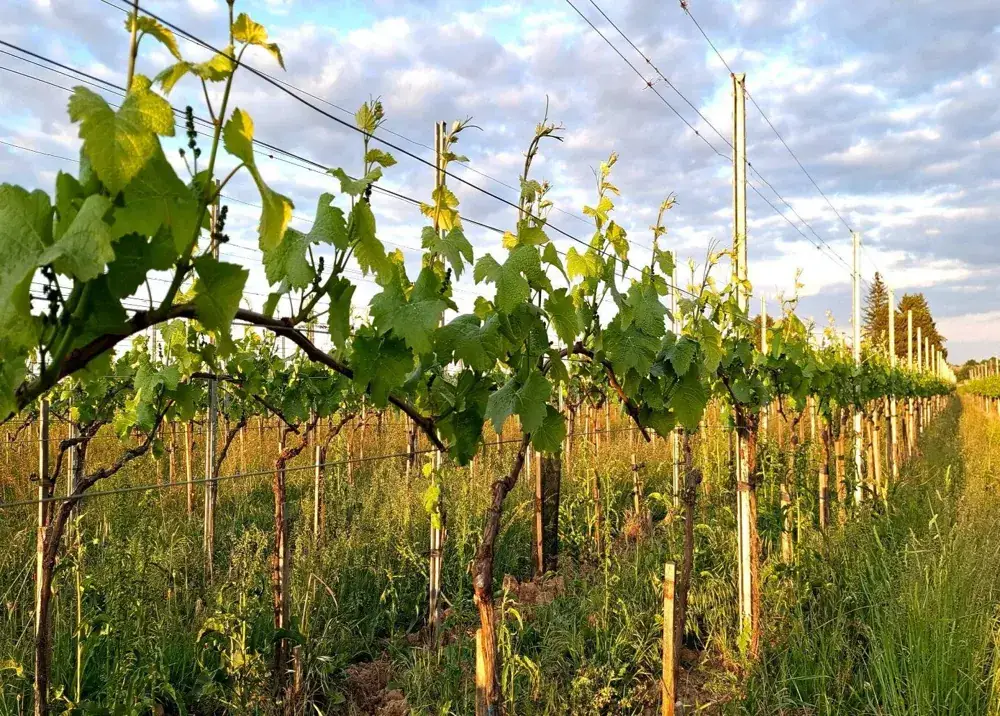
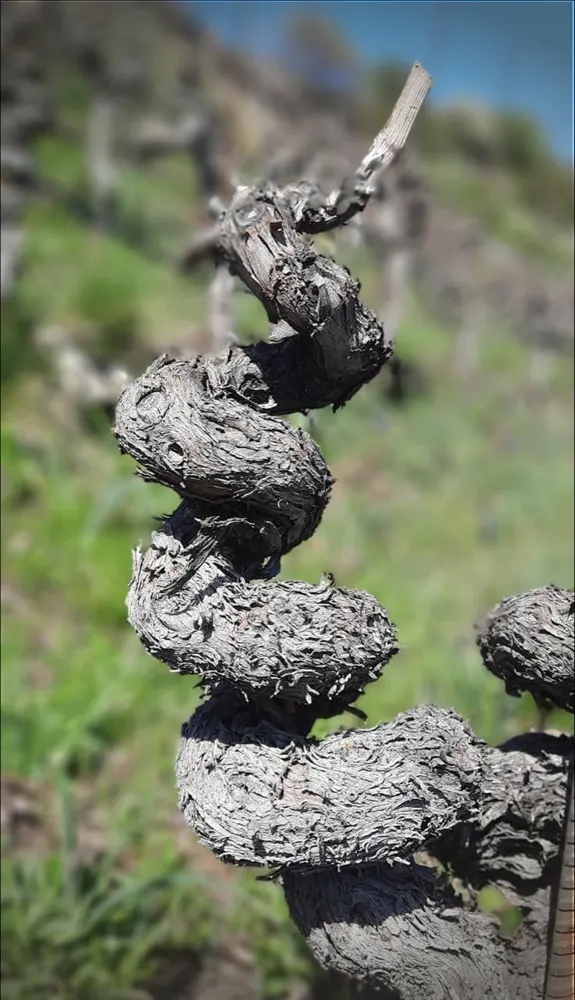
Even growth and controlled acrotony: bud load matched to vigour and early shoot thinning.Spiral training in Valais (Switzerland): decades of lengthening without harming the plant.
Images: Maxime Pourveur / Architecte du Vivant.
Read more: origin, reserves, cuts and green pruning
Architecte du Vivant was officially founded in 2021 by Marceau Bourdarias, an arborist who turned his focus to the vine some 15 years ago. Maxime Pourveur, trainer and technician at Architecte du Vivant, works actively with our team and personally accompanies winegrowers in the field. The approach goes beyond traditional pruning (respectful pruning or Simonit) and is no miracle recipe: it is about understanding how the plant works and how it reacts to each intervention.
Reserves and leaves
Reserves, stored in living wood and roots, are the vine’s energy capital: they let it restart growth in spring and cope with frost, hail or drought. Leaves lead the system: only with enough leaf area can the vine rebuild its reserves for the following year.
Every cut has a cost
Every cut breaks the vine’s natural seal, and the plant has to compartmentalise the wound with tannin-rich barriers, which costs a lot of energy. Fewer wounds mean more living wood and more reserves. That is why, whenever possible, it is recommended not to cut wood older than three years.
Green pruning: the earlier the better
Selecting shoots early opens up the canopy and lowers pressure from downy and powdery mildew, sends energy to productive shoots and makes later work easier. In green work, when matters as much as what: every action redistributes energy between leaves, bunches, roots and reserves.
“If we manage to build systems that preserve the integrity of the cambium all around the plant (360°), and therefore the continuity of flows, we increase the plant’s resilience, resistance and, ultimately, its longevity.”
Based on a document shared by Maxime Pourveur (Architecte du Vivant), drawing on the approach developed by Marceau Bourdarias. This is technical support in the field, not a certification. See the post on LinkedIn
Tell us what you grow and what you want to improve. We assess the farm, design and plan with you, then put the plan into practice on site. We train and support your team until it can manage the work independently.