
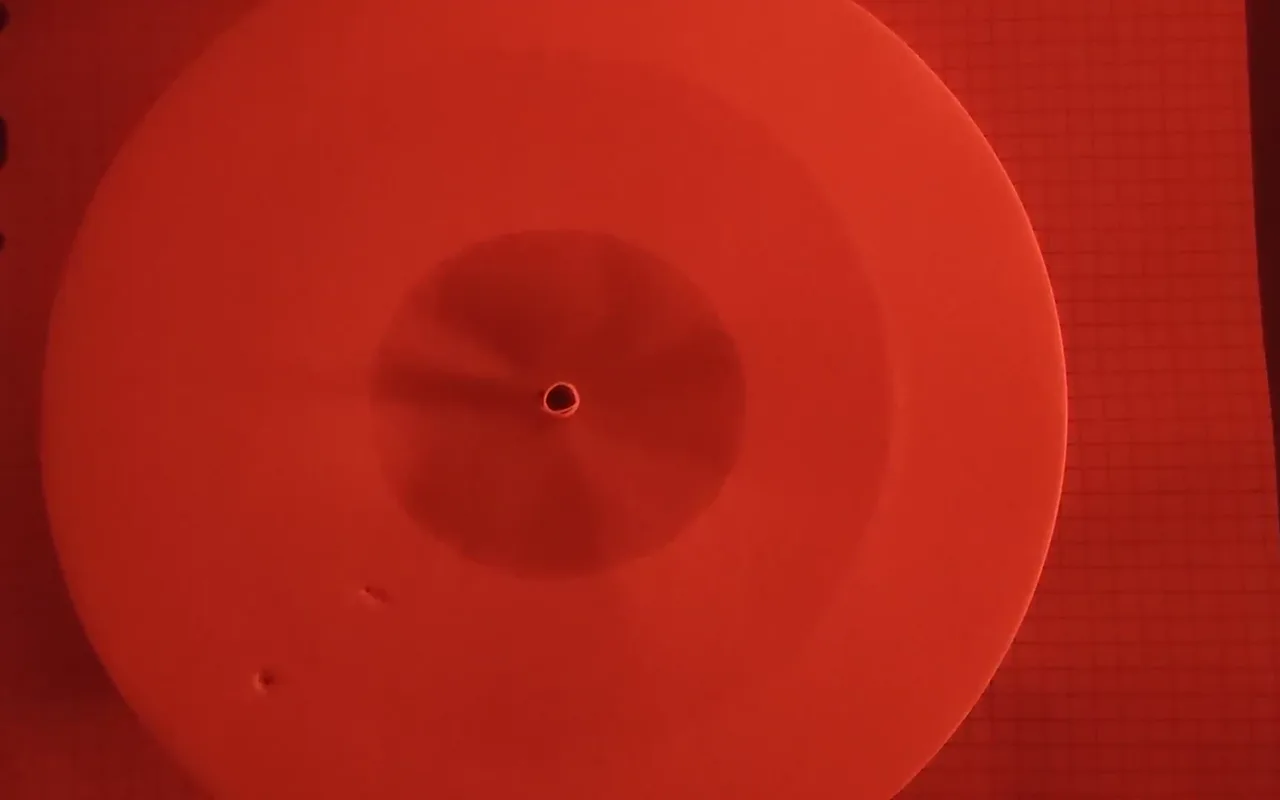
Diagnosis
Understand the site, its needs and the starting point.
Before changing anything, we understand your soil, your water, your numbers and the way you work. Drawing on Xavier’s field experience since 2013 across different crops and terrains, we choose with you the techniques that fit, put them into practice alongside you and adjust them as we see how they perform.
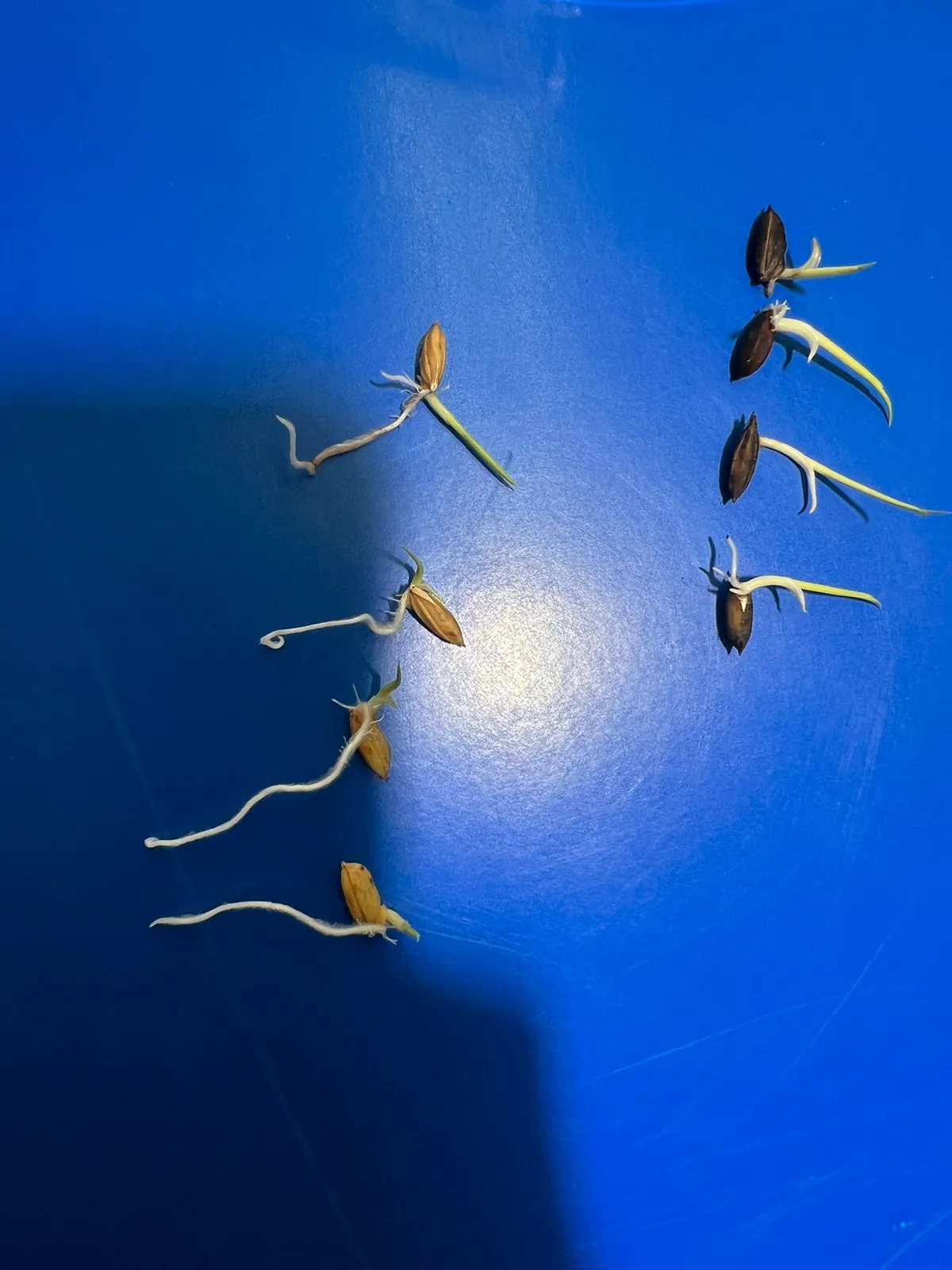
Four phases of work. The six criteria below guide decisions throughout them.
Understand the site, its needs and the starting point.
Choose techniques, sequence, resources and budget with you.
Put the plan into practice with your team and adjust on site.
Learn by doing and progress towards autonomy in agreed stages.
These six criteria guide assessment, design and planning, implementation and support. They are not six phases or a list of compulsory techniques. Measurement helps us check and adjust.
On land or in water, we start with the site, its condition and the people managing it. Assessment establishes what is worth doing and what is not.
On the farm, we combine soil cover, living roots, bio-inputs and animals where they fit. We choose techniques according to the assessment and plant nutrition.
We aim to help more rain soak in and carry less soil and nutrients towards rivers, deltas and the sea, without cutting off the water that downstream ecosystems need.
Field observation and lab analyses help us check the work and adjust the plan. Chromatography and Pfeiffer sensitive crystallisation complement that assessment, within their limits.
Your team learns by doing, with training and support in agreed stages until it can manage the work independently.
Priorities, timing, resources and budget. We assess each practice against the management it replaces, without promising savings or yields.
We use circular soil chromatography — a technique associated with Ehrenfried Pfeiffer and spread in Latin America by Jairo Restrepo Rivera (with Sebastião Pinheiro: Cromatografía: imágenes de vida y destrucción del suelo) — as a qualitative, visual reading of soil quality: how organic matter, minerality and biological activity relate in a pattern comparable over time.
Learning: Xavier learned chromatography with Jairo Restrepo. We cite his school because it is the one we work with; we have no commercial relationship with him and no endorsement from him.
Reference — Book and training at La Mierda de Vaca · Cromatografía: imágenes de vida y destrucción del suelo (Jairo Restrepo Rivera & Sebastião Pinheiro) and the chromatographic analysis course. The book’s chromatograms belong to their authors; here we only show our own.
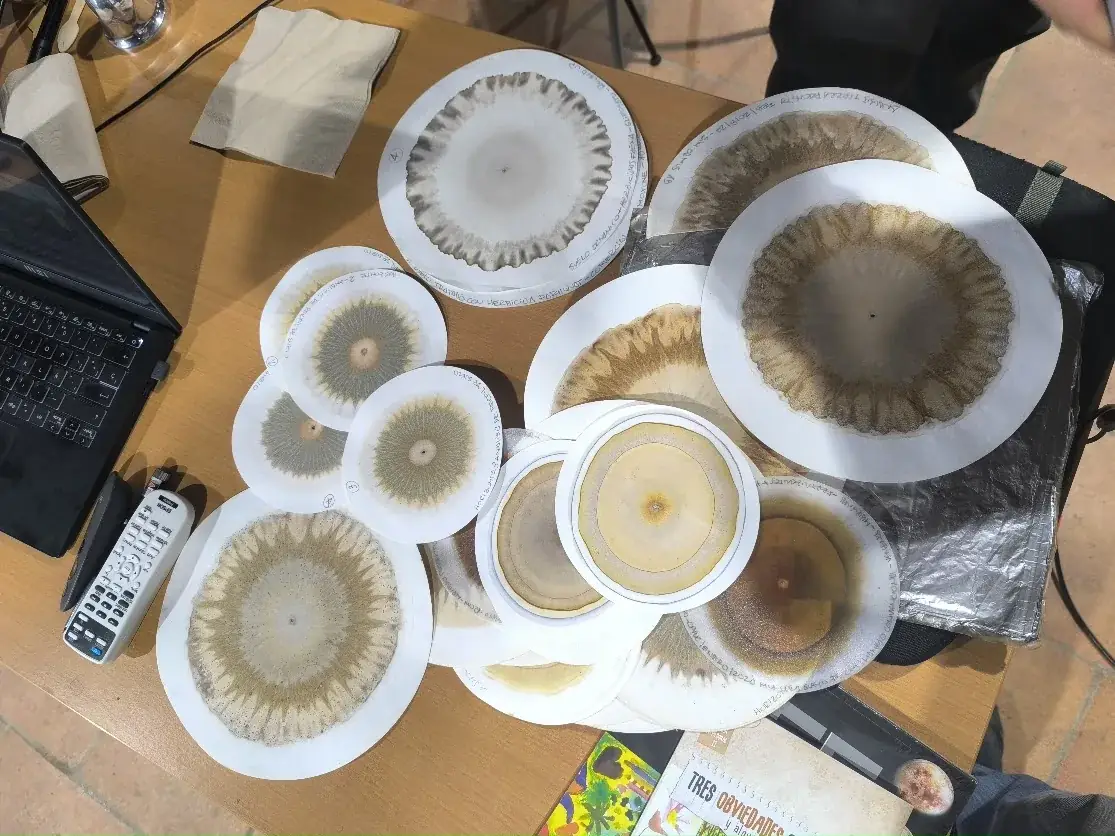
What it is for on the farm
Limits: it is a qualitative tool for diagnosis and teaching. It does not replace quantitative analyses (organic matter, nutrients, metals, residues, etc.) or a carbon MRV against an external standard. At True Regenerative we combine it with lab work and field observation; we don’t sell “certificates” based on a chromatogram.
At Huerta de Tormantos, chromatography showed us a soil poor in life, heavily mineralised and out of balance. That starting point shaped the strategy: home-made biofertilisers, bokashi at about 10 t/ha and keyline. Over the following months wild plants gradually came back; pH remained the main constraint.
Besides circular chromatography, we work with sensitive crystallisation with copper chloride (method developed by Ehrenfried Pfeiffer with Erika Sabarth): a qualitative image that helps attend to form and the perceived quality of extracts (soil, compost, juices / foods, according to protocol).
What we use it for: teaching and visual comparison over time; training the team’s eye alongside lab and field work. It helps you look; it is not a certificate.
Limits — Crystallisation is a real physical phenomenon; reading it as “vitality” needs judgement and training. It does not replace HPLC, microbial counts or quantitative analytics. We do not present it as conclusive proof of nutritional quality nor as a commercial certificate.
We treat plant nutrition as a central part of management: not only soluble NPK, but mineral balance, soil biology and plant metabolism. With that in mind, we use Francis Chaboussou’s framework (the theory of trophobiosis): many pests and diseases thrive when the sap offers a favourable “menu” — e.g. excess free amino acids from imbalances, stress or certain practices —; a well-nourished, metabolically balanced plant is less attractive. Chaboussou describes two states. In proteosynthesis, the plant builds amino acids and sugars into proteins and tissue, and resists better. In proteolysis, breakdown dominates: free amino acids and sugars remain in the sap, the food many insects and fungi are looking for.
In practice
Limits: trophobiosis is a very useful practical compass, not a single law. Climate, variety, natural enemies and inoculum pressure also matter. We don’t promise “zero pests”, nor do we replace the agronomic and regulatory criteria for each crop.
The diagnosis decides what is made and how much.
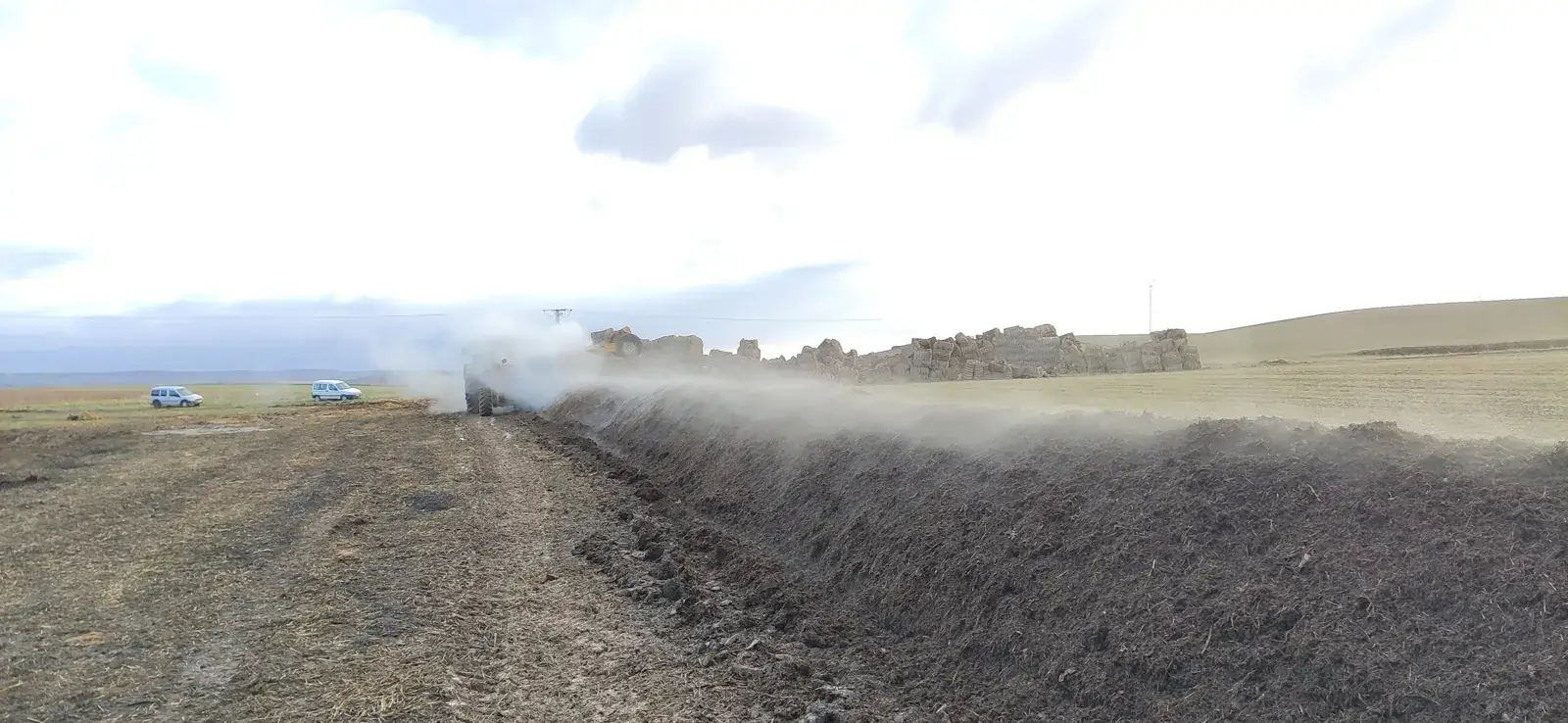
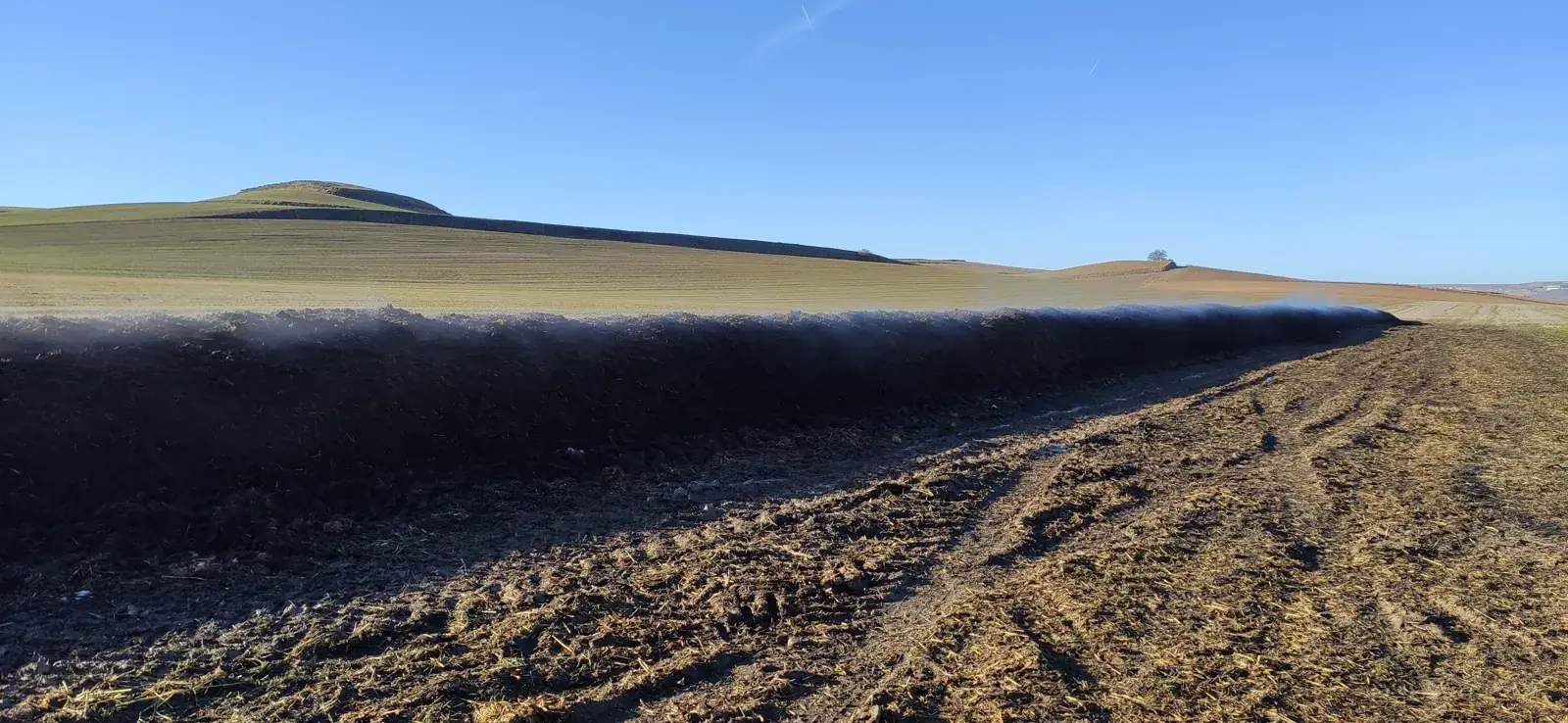
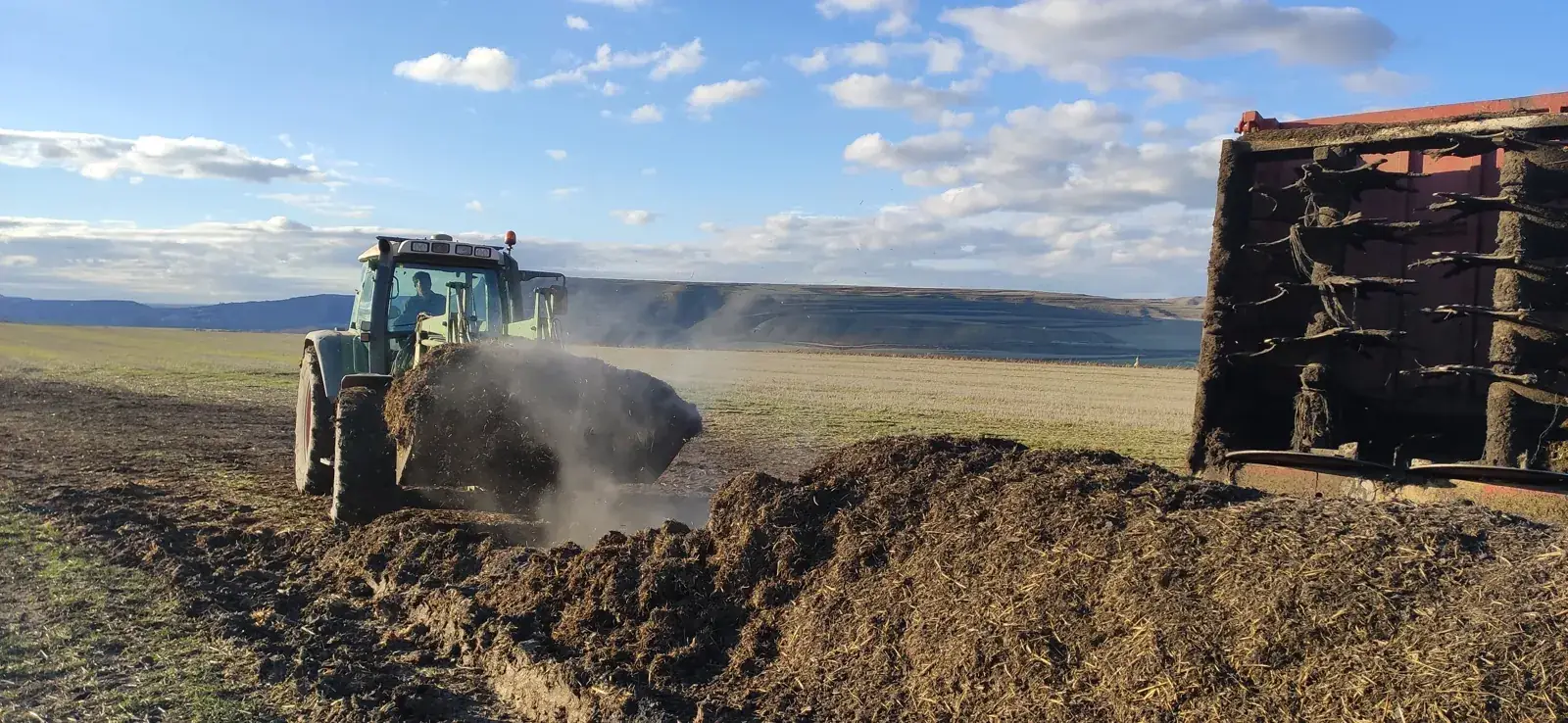
Diagnosis: we read the starting point. Design and planning with you: we choose and combine techniques — cover crops and mulch, keyline, bokashi and other bio-inputs, animals, aquaculture where it applies — according to your goal, resources, climate and budget, starting where the gain is greatest and the risk lowest. Implementation and start-up: we do it with your team, with control plots where they make sense. Training and support: your team learns by doing and we move forward in stages; we measure before and after, as support, to correct what isn’t working, until you run it on your own. A documented example: at Huerta de Tormantos the plan started from a laboratory soil analysis and a soil chromatography.
Read next: the people on the farm · climate and living soil · training and support until you are autonomous · who we are and our experience.
Tell us about your project. We assess the situation, design and plan with you, and put the plan into practice alongside you. We train and support your team until it can manage the work independently.